The Nostalgia of Vintage Soda: A Cultural Overview
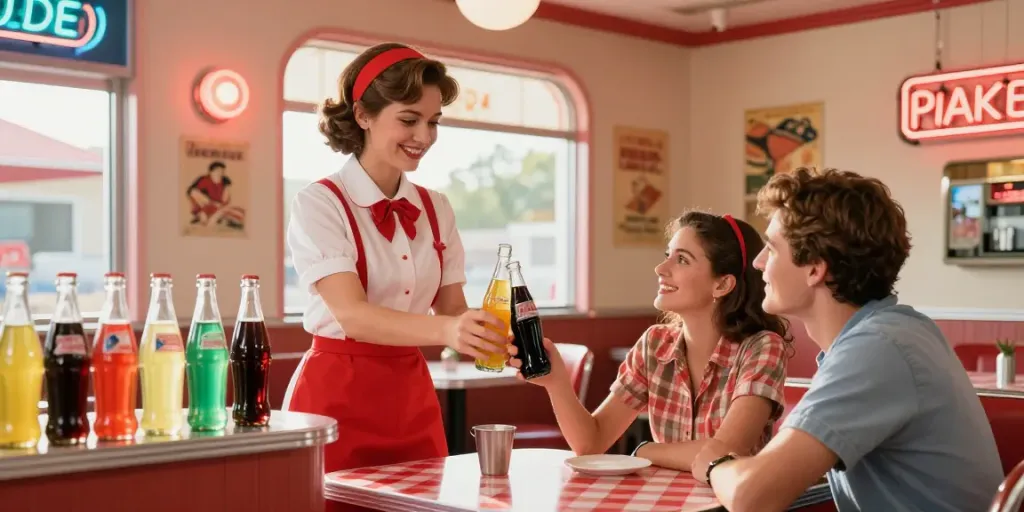
For many, sipping on a Vintage soda is more than just enjoying a refreshing drink; it's a journey back in time. Vintage sodas encapsulate an era characterized by unique flavors and nostalgic packaging, evoking fond memories of childhood summers and simpler times. In the ever-evolving beverage landscape, vintage sodas stand out as cherished relics, each bottle telling its own story of cultural significance and historical trends.
What Defines Vintage Soda?
Vintage soda refers to soft drinks that have been produced using traditional methods, often recalling flavors and branding from decades past. These drinks utilize classic recipes and are frequently bottled in glass, enhancing their nostalgic appeal. Unlike modern sodas, which often prioritize mass production and artificial ingredients, vintage sodas emphasize authenticity, showcasing original flavors that resonate with consumers seeking a taste of history.
Historical Significance and Trends
The origins of vintage soda can be traced back to the late 19th and early 20th centuries, when bottling processes were first developed, and soda fountains became popular. Brands like Coca-Cola, root beer, and sarsaparilla emerged during this time, creating a culture centered around flavored carbonated beverages. Over the decades, vintage sodas have experienced swings in popularity, particularly during the mid-20th century when classic brands dominated grocery store shelves and soda fountains.
In the modern context, there has been a resurgence in interest toward vintage sodas as consumers seek authenticity and connection to the past. This trend is evident in the rise of craft soda producers, who often revive forgotten flavors or introduce new twists on traditional recipes.
Key Brands to Know in 2026
As we approach 2026, several brands have distinguished themselves in the vintage soda market. Notable names include:
- Moxie - Known for its unique blend of flavors and a cult-like following, Moxie has been a staple in the vintage soda community since 1884.
- Faygo - Originating from Detroit, Faygo has a wide range of flavors, with its rock 'n' rye and red pop gaining significant nostalgia-driven popularity.
- Dad's Root Beer - A classic since the 1930s, Dad's Root Beer remains a favorite for its rich, authentic taste.
- IBC Root Beer - Launched in the 1910s, IBC is revered for its smooth flavor and iconic glass bottle design.
The Healthier Side of Vintage Soda: Ingredients and Benefits
While many vintage sodas are celebrated for their taste and nostalgic quality, they also have a distinct ingredient profile that sets them apart from their modern counterparts. Vintage sodas are typically made with natural ingredients, often using real cane sugar instead of high-fructose corn syrup, which is prevalent in many contemporary soft drinks.
Natural Ingredients vs. Modern Alternatives
The emphasis on natural ingredients in vintage sodas aligns with a growing consumer trend favoring transparency and health-conscious choices. Many vintage producers prioritize quality, using real fruit extracts, herbs, and spices to create flavors that are genuine and often less sweet than today's artificially flavored sodas.
Benefits of Real Sugar in Vintage Sodas
One significant advantage of vintage sodas is the use of real sugar. Consumers often find that beverages sweetened with cane sugar taste better and provide a more balanced sweetness compared to those made with artificial sweeteners. Additionally, real sugar tends to have fewer health risks associated with long-term consumption, as it lacks the metabolic drawbacks linked to high-fructose corn syrup.
Comparative Analysis: Vintage Soda vs. Regular Soda
When comparing vintage soda to regular sodas, the differences extend beyond ingredients. Vintage sodas typically have:
- Lower acidity levels, making them gentler on the stomach.
- Fewer synthetic flavors and colors, appealing to health-conscious consumers.
- A unique taste profile that stands out in a market saturated with similar soft drinks.
The Rise of Craft and Retro Sodas
The craft beverage movement has significantly contributed to the resurgence of vintage sodas, with numerous small producers entering the market. These craft sodas often embrace retro branding and storytelling, enhancing their appeal among nostalgic consumers and those seeking unique beverage experiences.
Market Trends in Vintage Soda Consumption
As of 2026, the market for vintage sodas is experiencing steady growth. Factors driving this trend include a heightened interest in artisanal products, an inclination toward locally sourced ingredients, and a cultural shift toward nostalgia-driven consumption. Many consumers are actively seeking out retro products that remind them of their childhood or family traditions.
Popular Craft Soda Brands in 2026
The craft soda landscape is diverse, with several brands leading the charge:
- Boylan Bottling Co. - An iconic brand known for its handcrafted sodas and commitment to quality ingredients.
- Fentimans - Offers a selection of botanically brewed sodas that combine vintage methods with innovative flavors.
- Virgil's - Known for its gourmet sodas, Virgil's emphasizes natural ingredients and classic recipes.
The Role of Local Distributors
Local distributors play a vital role in bringing vintage sodas to communities. Many small businesses focus on curating selections of craft and vintage sodas, allowing consumers to explore a range of flavors and brands. These distributors often host tasting events and engage with soda enthusiasts, reinforcing the community aspect of vintage soda culture.
Collecting Vintage Soda: Tips for Enthusiasts
For soda aficionados, collecting vintage soda bottles can be a rewarding hobby. Not only does it connect individuals to the past, but it also allows for the preservation of history through these unique artifacts.
How to Identify Authentic Vintage Soda Bottles?
Identifying authentic vintage soda bottles involves examining several key features:
- Labels: Original labels often feature distinctive designs and fonts. Look for signs of age, such as fading or peeling.
- Bottle Design: Older bottles have unique shapes and closures, often with a thicker glass than modern bottles.
- Embossing: Many vintage bottles are embossed with the brand name or logo, adding to their authenticity.
Best Practices for Collecting and Storing
Proper care for vintage soda bottles is essential to maintaining their condition:
- Store bottles upright to prevent leaks and preserve labels.
- Keep them in a cool, dry place, away from direct sunlight to prevent fading.
- Avoid excessive handling to minimize wear and tear.
Local and Online Communities for Collectors
Enthusiasts can find a multitude of resources to connect with fellow collectors. Online forums, social media groups, and local meetups create platforms for sharing knowledge, trading bottles, and discussing vintage soda history.
Future Trends: What’s Next for Vintage Soda?
As we look to the future, several trends are poised to shape the vintage soda landscape:
Emerging Flavors and Innovations in 2026
Innovative flavors are becoming increasingly popular, with brands experimenting with unique combinations that blend traditional tastes with modern twists. Expect to see flavors inspired by regional specialties or unusual ingredients, appealing to adventurous consumers.
Eco-Friendly Practices in Soda Production
Environmental sustainability is becoming a priority for many vintage soda producers. Adopting eco-friendly packaging and sourcing ingredients responsibly will appeal to a growing demographic of environmentally conscious consumers.
Consumer Insights and The Future of Vintage Soda
Understanding consumer preferences will be key for the future of vintage soda. Brands that engage in transparent practices, emphasize quality, and cater to nostalgic sentiment are likely to thrive in this competitive market. With a focus on unique flavors and sustainable practices, the vintage soda industry is poised for a bright future.
What are some classic old-time sodas?
Classic sodas often include brands like Coca-Cola, Dr Pepper, and various root beers that have been around for generations, each carrying its own story and place in beverage history.
What makes vintage soda different from regular soda?
Vintage soda differs from regular soda mainly in its ingredient quality and production methods, typically utilizing real sugar and traditional recipes, which contribute to a more distinct taste.
Are there health risks associated with vintage sodas?
While vintage sodas can be healthier than modern counterparts due to their use of real sugar and fewer artificial ingredients, moderation is key to avoiding the health risks associated with excessive sugar consumption.
How to start a vintage soda collection?
Starting a collection involves researching local soda history, seeking out unique bottles, and connecting with other collectors, possibly through online groups or local antique shops.
Where to buy vintage soda near me?
Many vintage and craft soda brands are available in specialty shops, online retailers, and local distributors, which are excellent resources for those searching for unique vintage sodas.